
History of Colyton
From Saxon settlement and medieval market town to rebellion, railway and modern community, Colyton has a remarkable story.
More than a thousand years of history
Colyton is one of East Devon's historic market towns, with Saxon origins and a recorded history stretching back to at least the 8th century.
The town that developed over the centuries can still be read in its streets and buildings. Medieval, Tudor and later architecture sits within a tightly knit historic centre that has retained much of its distinctive character.
At the heart of the historic town
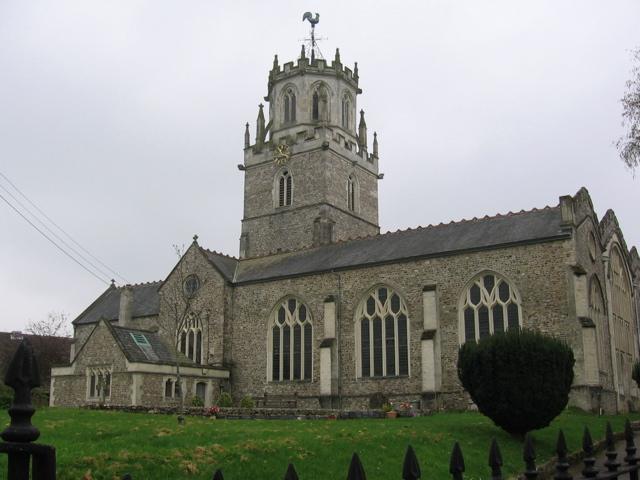
St Andrew's Church is one of the defining landmarks of Colyton and an important part of its medieval heritage. Its distinctive tower has formed part of the townscape for generations.
Around it grew the streets, houses and public spaces that help give the centre of Colyton its character today.
Colcombe and the wider landscape
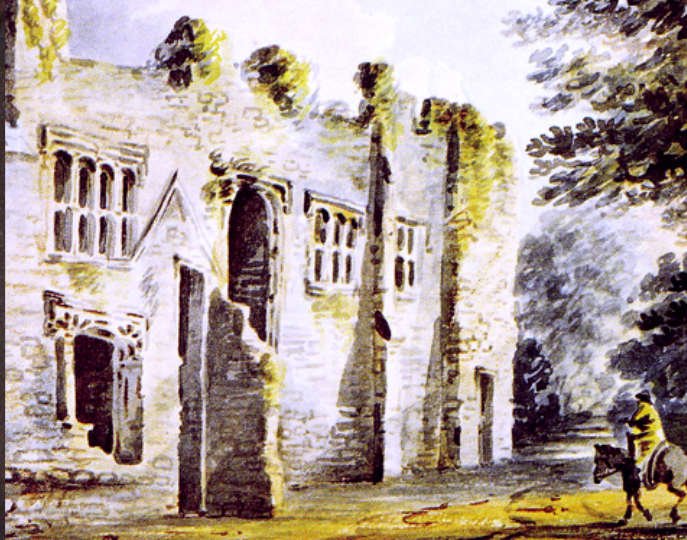
Colyton's history is not confined to the streets of the town itself. The surrounding estates, farms and settlements have all formed part of the wider story of the community.
Historic places such as Colcombe are reminders of the close relationship between the town and the surrounding East Devon countryside, and of the families and estates that influenced the area's development.
The Chamber of Feoffees
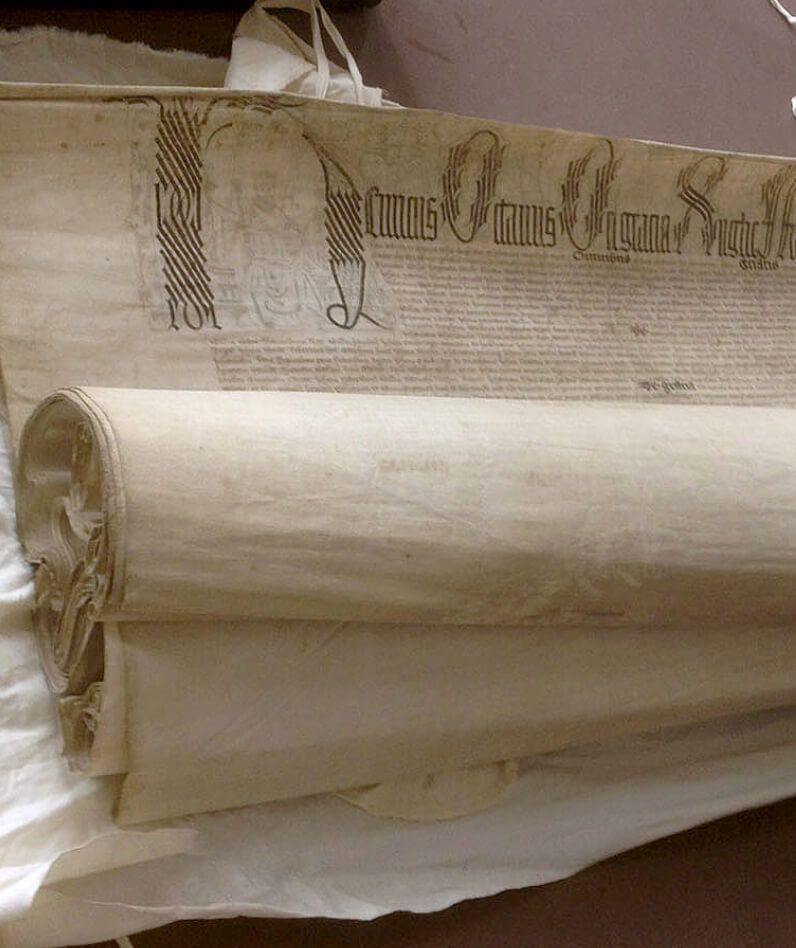
One of the most distinctive chapters in Colyton's civic history began in 1546, when the Chamber of Feoffees was established by Royal Charter.
Twenty local citizens were able to purchase estates that had been seized by Henry VIII from the Marquis of Exeter. The episode reflects the wealth and importance of Colyton during the Tudor period.
The Feoffees remain an important part of the town's long civic and charitable history.
The rebellious town
Colyton is well known for its association with the Monmouth Rebellion of 1685, when people from the town supported the Duke of Monmouth's attempt to take the Crown from King James II.
Support for Monmouth was strong in parts of the West Country, and Colyton's involvement became one of the best-known episodes in its history.
The story contributed to Colyton's enduring reputation as a rebellious town, a description that remains closely associated with its historical identity.
The railway age
The arrival of the railway transformed travel in the Axe Valley and connected communities such as Colyton more closely with the surrounding towns and the wider railway network.
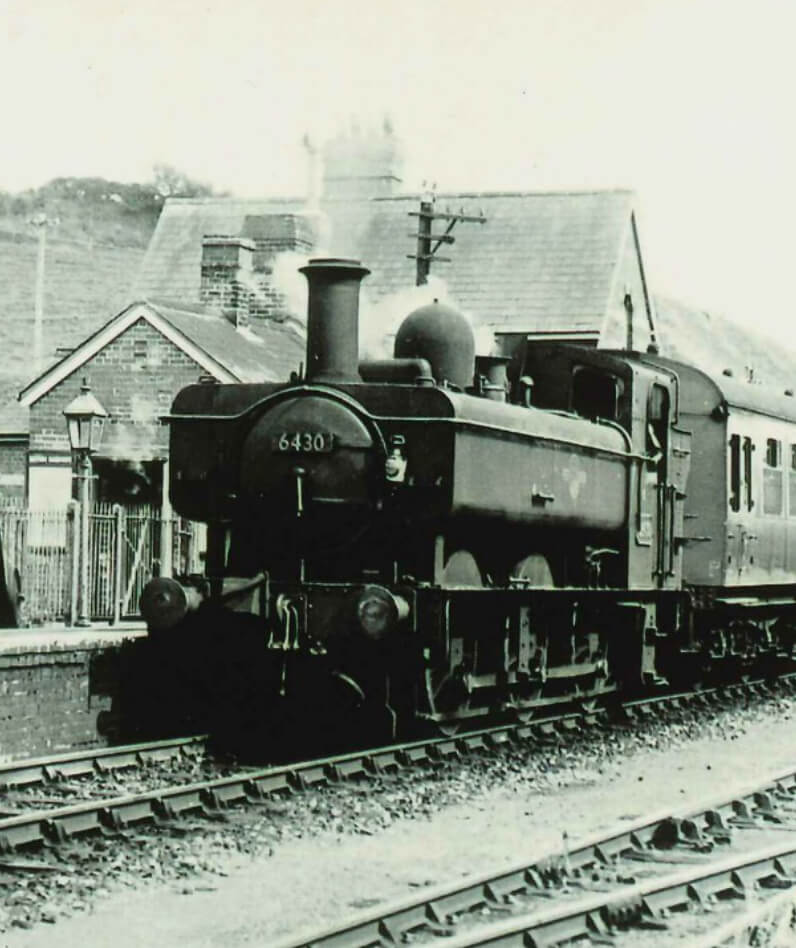
For generations the railway formed a familiar part of local life. This archive photograph records a steam train at Colyton in the early 1960s, shortly before the former branch line disappeared.
The old railway route later found a new life. Seaton Tramway developed along part of the former railway corridor and today once again links Colyton with the Axe Valley.
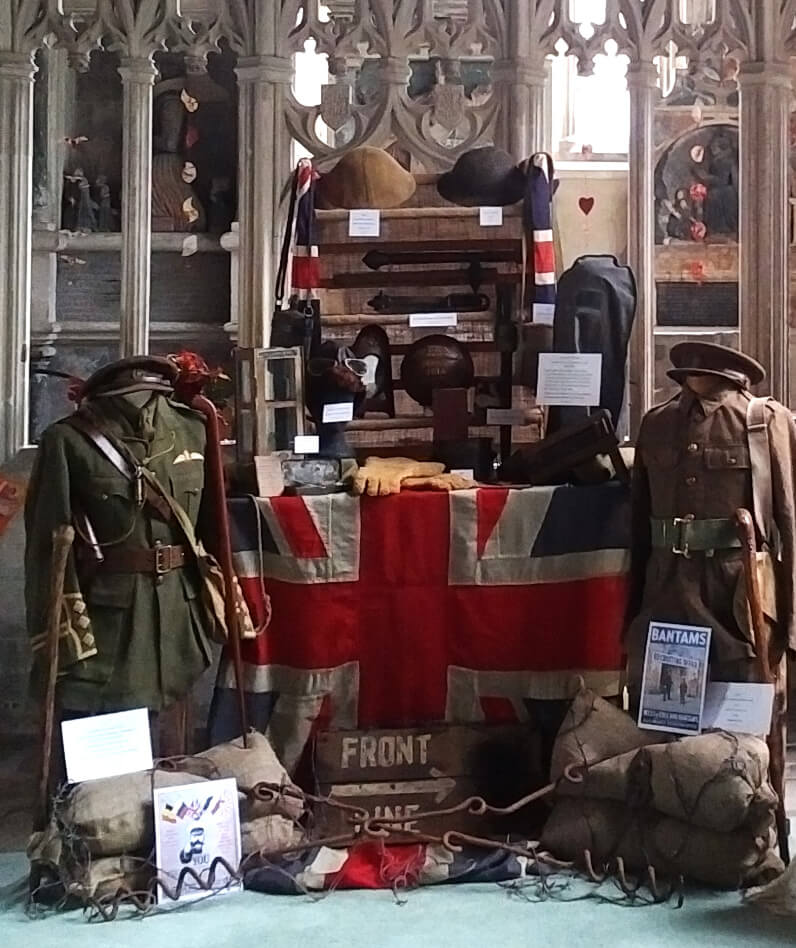
Colyton and the First World War
The First World War touched communities across Britain, and Colyton was no exception.
Local photographs and archives preserve the stories of people who served, families who remained at home and a community adapting to the demands of wartime.
These surviving records form an important part of Colyton's social history and help connect the town we know today with the experiences of earlier generations.
Change while retaining character
The 20th century brought substantial changes to transport, employment and everyday life, but the historic heart of Colyton remained remarkably recognisable.
Today the centre of the town lies within a conservation area, reflecting the architectural and historic importance of its streets, buildings and townscape.
A living historic town
Historic buildings
Medieval, 16th and 17th-century buildings form an important part of the town's architectural character, alongside buildings from later periods.
Historic streets
The tightly knit historic centre and traditional street pattern preserve evidence of Colyton's development over many centuries.
Conservation
The conservation area recognises the special architectural and historic interest of the centre and the importance of preserving its distinctive character.
Explore Colyton's history
Much of what we know about Colyton's past has been preserved through archives, photographs, documents and the work of local historians. Discover more about the people, places and events that have shaped the town.
History Society →